

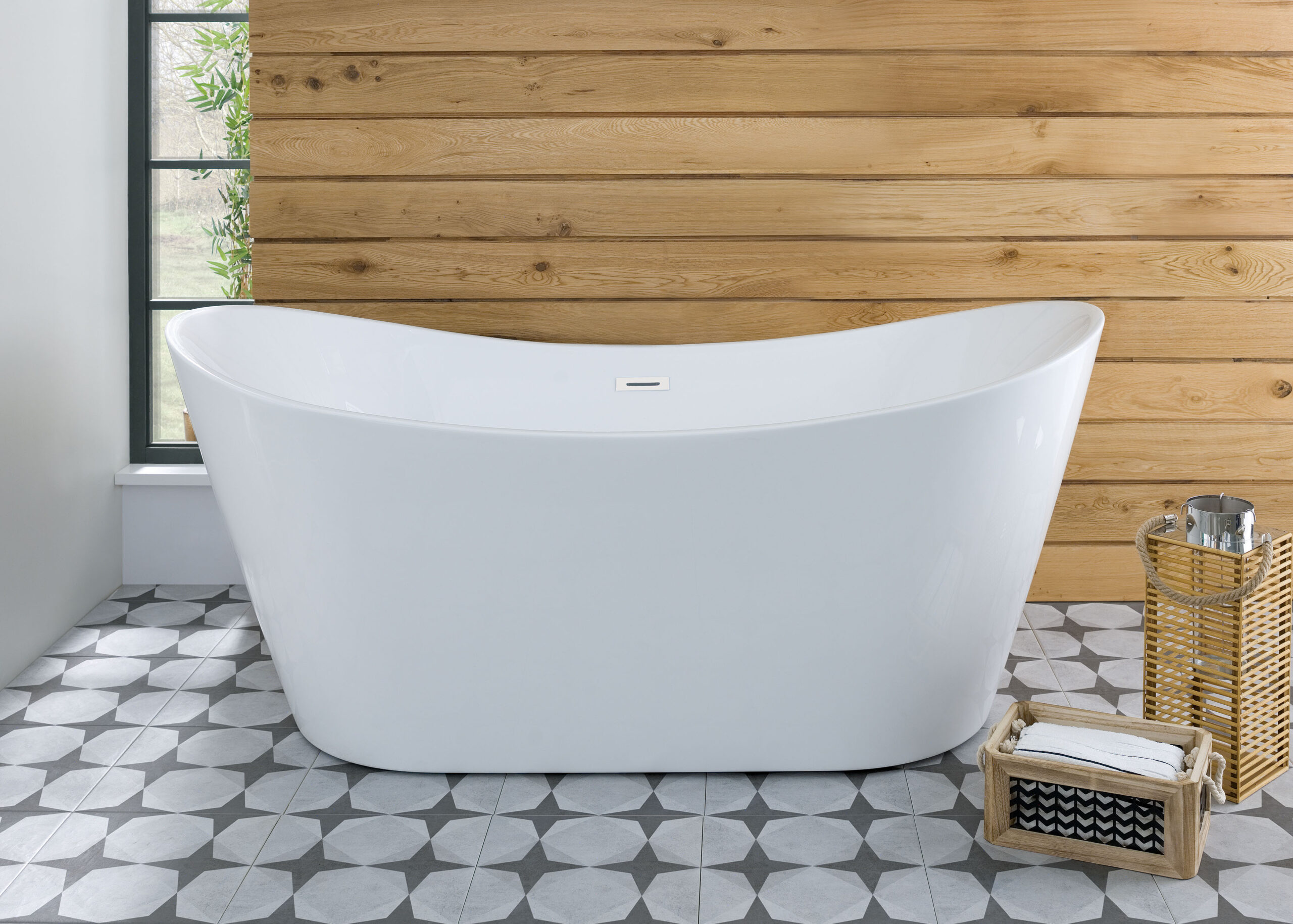
Freestanding bathtubs are often associated with hotel-inspired bathrooms that provide a spa-like experience, but they now work just as well in compact modern spaces as in grand traditional suites. With options ranging from soft curves to geometric shapes, they feel at home in a minimalist apartment as in a period townhouse.
At Bathroom Supastore, our freestanding range includes traditional roll‑top and slipper designs, as well as contemporary square and curved styles, making it easy to match your bath to your chosen interior style. Whether your goal is to have a classic centrepiece or a sleek focal point, the collection is designed to make a statement.
The Basics About Freestanding Shower Baths
Many homeowners wonder whether a freestanding bathtub is suitable for their space if they need to combine their bath and shower. In short, yes: a freestanding bath can have a shower. With the right layout, fixtures, and screening, it can be both a practical and luxurious addition to your bathroom. Many homeowners now choose a freestanding shower bath to enjoy the best of both worlds in a single, statement feature.
What is a Freestanding Bath?
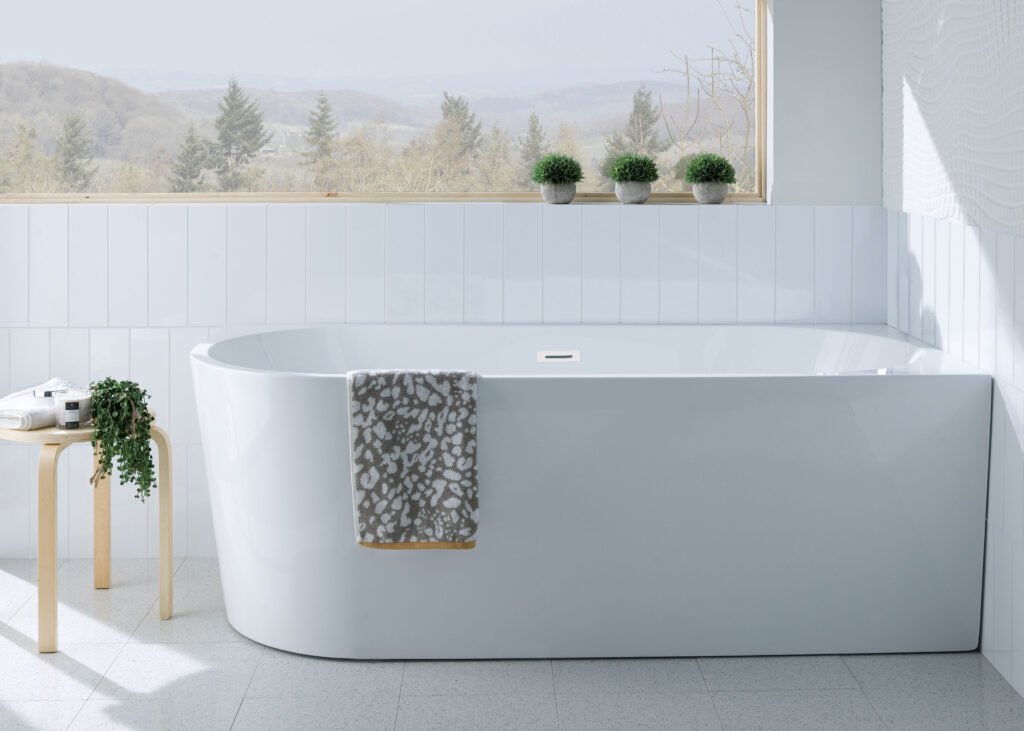
A freestanding bath is a bathtub that isn’t attached to the walls, usually with all sides on show rather than being boxed in or tiled around. It can be positioned anywhere in the room, whether you’d like a centrally placed design or a window-side layout.
Traditional freestanding baths are known for their stylish, decadent appeal. They are also often larger and deeper than many standard inset designs, making the bathing experience more comfortable and luxurious. Many designs are now available in shorter lengths too, so even compact bathrooms can benefit from a freestanding tub without sacrificing too much floor space.
Key Benefits of Freestanding Baths
Freestanding bathtubs offer the perfect combination of visual impact and everyday comfort, bringing a sense of luxury to even the busiest family bathrooms. They instantly become the focal point of the room and can elevate the interior design.
In addition to their design appeal, freestanding baths are surprisingly practical. With the right plumbing, you can position them under a window to enjoy the view while you soak, or even place them in a bedroom for a boutique hotel feel.
Modern acrylic materials are also much lighter than traditional cast‑iron baths, making them easier to install in a wider range of homes. Many freestanding baths are double‑ended too, which makes them ideal for bathing children or sharing a relaxing soak, without taps getting in the way at one end.
Traditional vs Modern Freestanding Styles
Traditional freestanding baths are elegant and timeless, often featuring roll tops, slipper silhouettes and decorative claw or pedestal feet. These details sit beautifully in period or heritage‑inspired interiors, supporting a grand, classic aesthetic that will not date quickly.
By contrast, contemporary freestanding designs favour clean lines, slim rims and smooth curves for a more minimalist look. Whether your bathroom leans towards understated Scandi or bold, futuristic finishes, there is usually a freestanding bath tub shape to suit.
Can a Freestanding Bath Have a Shower?
Pairing a freestanding bath with a shower is possible; the key is installing suitable fixtures and planning for safe access and water control. Many UK households now integrate a freestanding shower bath to avoid choosing between a long soak and a quick morning rinse.
This typically means adding an overhead or wall‑mounted shower and some form of screen or curtain to keep the spray inside the tub. Incorporating quality waterproofing under and around the bath is also essential for long‑term performance.
Common Queries About Showers and Freestanding Baths
Homeowners often worry about splashing, especially where the bath is not installed against tiled walls. Thankfully, this can easily be managed with the right combination of a bath screen and shower head angle, along with sensible positioning of the bath in relation to the rest of the room.
Another concern is space. While freestanding shower baths typically require walkway space all the way around, compact tubs and shorter lengths mean this layout is now achievable in smaller bathrooms. A professional installer can advise on clearances, drainage and any waterproofing needed for lasting durability.
Design Options for a Freestanding Shower Bath
There are a few effective ways to pair a freestanding bath with a shower, each with its own look and practical benefits.
| Design Solution | How it Works | Best For |
| Wall‑mounted shower over the bath. | The bath sits near a wall, with a fixed or adjustable showerhead and a glass screen to prevent splashes. | Smaller bathrooms where you want a shower‑over‑bath setup that feels simple and practical. |
| Ceiling‑mounted shower over the bath. | A shower head drops down from the ceiling, with a rail‑mounted curtain that wraps around the bath. | Baths placed in the centre of the room or under a window where you want a standout, spa‑like feature. |
| Floor‑standing mixer taps with a handset. | A tall, freestanding tap stands beside the bathtub, with a pull‑out handset for flexible rinsing. | Homes where the bath is mainly for soaking, but you still want an easy way to wash your hair and clean the tub. |
Floor‑mounted mixer taps work particularly well with freestanding tubs because they preserve the traditional, sculptural look of the bath while still providing a practical shower handset. Take the ‘Prestige Freestanding Bath Shower Mixer’, for instance, it’s suitable for all plumbing systems. It can be installed next to the freestanding bath, providing easy access to rinsing whenever needed.
Layout Tips and Practical Considerations
When planning a freestanding shower bath, think carefully about where the water will go. A suitable screen or curtain, sensible showerhead positioning, and non‑slip flooring directly around the tub will all help keep the space safe and comfortable.
It’s also worth considering who uses the bathroom. Families with young children, for example, may prefer a design where one side of the bath is closer to a wall so a glass screen can be securely installed. In adult‑only spaces, a centrally placed freestanding bathtub with a ceiling‑mounted shower and curtain rail can create a dramatic, almost spa‑like experience.
Choosing a Freestanding Shower Bath at Bathroom Supastore
If you’re considering combining the luxury of a freestanding bath with the convenience of a shower, explore the shower bath collections at Bathroom Supastore today. We offer a wide range of modern and traditional freestanding baths, making it easy to find a solution that suits both your layout and your style. From roll-top, lion-feet baths to double-ended slipper baths, we can help you make a design statement with everyday practicality.
For some expert advice about renovating your bathroom, get in touch with our experienced team. We can answer any questions you may have about freestanding shower baths.