

Keeping your bathroom clean can often feel like a never-ending task. One common problem many homeowners face is soap scum. While it may seem like just another type of residue, it can have a big impact on the overall appearance of your bathroom.
Not only does it create streaking and cloudy glass, but it also makes your tiles, taps, and other bathroom surfaces look dull and grimy. Thankfully, with the right know-how and a few simple tricks, you can tackle soap scum and keep your bathroom looking its best.
Understanding Soap Scum Build Up
Soap scum is the stubborn, unsightly, white residue that often forms on your bathroom surfaces after showers and baths. It’s a mixture of soap, body oils, skin cells and the minerals found in hard water. Not only does it make your bathroom surfaces look frosted or dirty, but it can also trap bacteria, mildew, and mould, causing health concerns.
So, why does soap scum build up in the first place? Hard water contains high levels of minerals like calcium and magnesium, which can react with soap residues. This chemical reaction produces soap scum, which tends to stick to surfaces, especially in humid environments. So, the more often you shower or bathe, the more soap scum is likely to build up over time.
In addition to being unsightly, soap scum can make bathroom surfaces feel slimy and grimy to the touch, and over time, it can even cause damage to your fixtures if not removed regularly.
How to Remove Soap Scum from Different Bathroom Surfaces
Now you know why soap scum builds up, let's talk about how to remove it from different surfaces. Fortunately, there are lots of easy ways to keep your bathroom clean and fresh.
Surface-Specific Considerations
Before you start cleaning, it's important to consider the type of material you're working with, as certain surfaces require more delicate care than others. For instance, natural stone and textured tiles may be more prone to scratching or discolouration. Always test any cleaning product on a small area before applying it to the entire surface to ensure it won't cause damage.
Shower Glass Doors
Shower doors are one of the most common places where soap scum builds up. To keep your glass sparkling, use a non-abrasive cleaner to prevent scratches. Shower enclosures with ‘easy-clean protective coatings’, like those available at Bathroom Supastore, are an excellent option. These coatings help to reduce soap scum and lime scale build-up, making it easier to clean your shower doors after every use.
For stubborn soap scum, using a shop-bought soap scum remover or a natural alternative like lemon juice can work wonders. Simply spray or rub the solution on the affected areas, let it sit for a few minutes, and then wipe it away with a soft cloth or sponge. For extra shine, you can also buff the glass with a microfiber cloth.
Tiles and Grout
Tiles and grout can also accumulate soap scum over time. To clean them, start with a solution of white vinegar and water. This gentle solution helps break down soap scum without damaging the tiles. For grout lines, consider using a toothbrush or small scrubbing brush to get into the crevices and remove any buildup. Just be careful not to scrub the surface too hard.
To keep your tiles and grout cleaner for longer, drying and sealing them after cleaning will help prevent soap scum and other stains from setting in. Grout sealants create a protective barrier that makes cleaning much easier and helps prevent mould and mildew.
Shower Trays and Baths
For shower trays and bathtubs, gentle cleaning is key to avoiding damage. Avoid abrasive scrubbers and use a soft cloth or sponge to clean the surface. Non-acidic cleaners are ideal for these surfaces as they won’t erode or dull the finish. A good alternative is a pH-balanced bathroom cleaner or a mixture of dish soap and warm water.
After cleaning or even using your bath or shower, it’s important to dry the surface to prevent soap scum from building up again. A quick wipe with a microfibre cloth or a squeegee will help maintain a clean and sparkling appearance.
Bathroom Basins and Taps
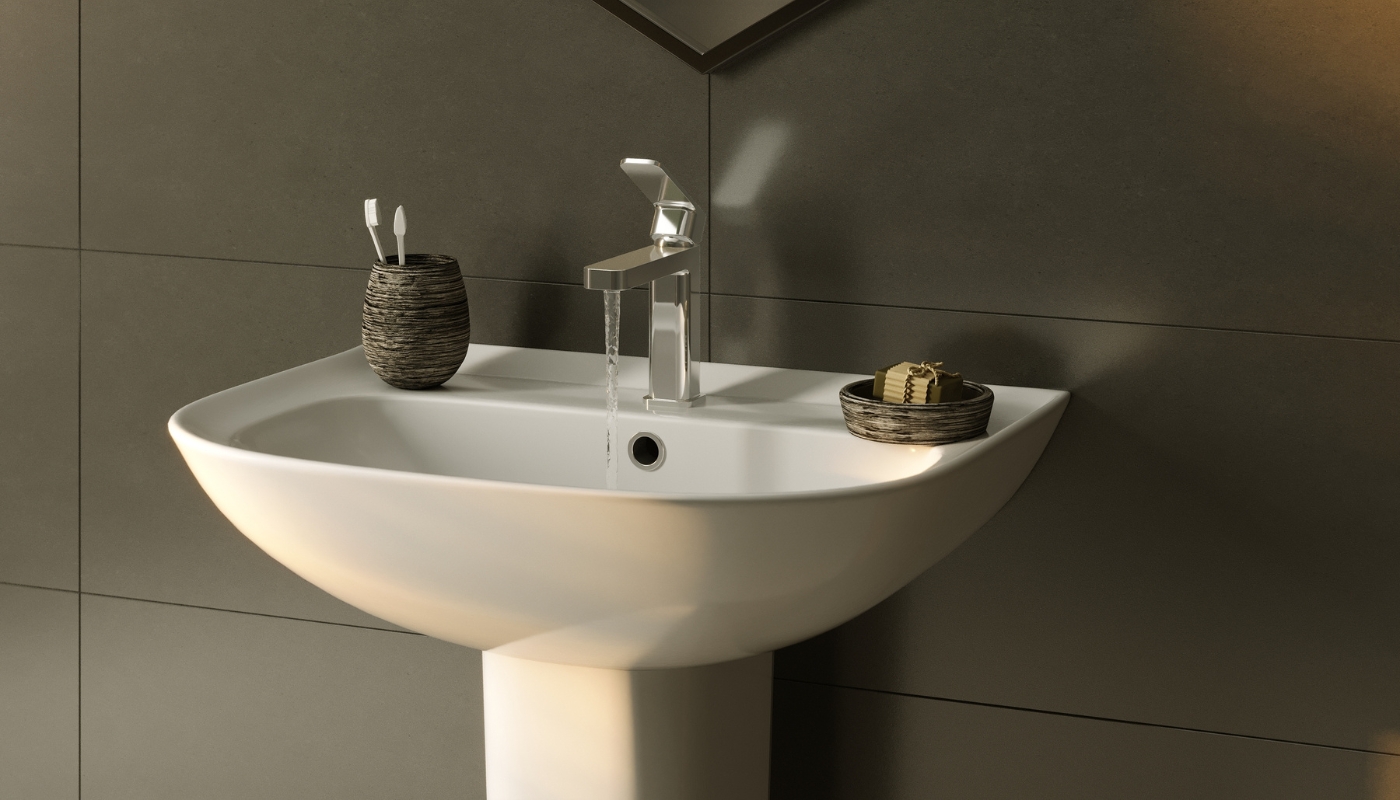
Bathroom basins and taps are often overlooked, but soap scum can build up around the edges of sinks and faucets. For these areas, gentle scrubbing with a soft cloth, sponge or magic eraser is the best approach. Non-abrasive, multi-surface cleaners will help to remove the soap scum without damaging the finish. Any soap scum remover can also be used to wipe down taps and basins, leaving them gleaming and free from soap residue.
Tips for Simplifying Bathroom Cleaning
Preventing soap scum from building up in the first place is the best approach, and there are several steps you can take to make cleaning your bathroom much easier.
Install Easy-Clean Glass
Investing in shower doors with an easy-clean protective coating is a great long-term solution. These products are designed to prevent soap scum and lime scale from building up, making cleaning much easier. If you have a shower or bath with glass panels, consider upgrading to these coatings for minimal maintenance.
Choose Low-Maintenance Materials
When purchasing bathroom fixtures, opting for low-maintenance options can help you minimise cleaning from the very start. For instance, ceramic and porcelain tiles, as well as composite materials, are straightforward to clean, meaning your bathroom will stay sparkling with less effort. Choosing smooth, non-porous surfaces can also prevent soap scum from building up, making your bathroom easier to maintain.
Use a Squeegee After Every Shower
One of the easiest ways to prevent soap scum is to use a squeegee after every shower. This simple tool helps to remove excess water from the glass, preventing the minerals and soap from settling and forming a stubborn residue. By wiping down your shower walls and doors after each use, you can significantly reduce the amount of soap scum that builds up.
Regular Cleaning
Keeping up with regular, light cleaning is essential in preventing soap scum from becoming a major problem. Aim to wipe down surfaces at least once a week and remember soap scum is typically easier to remove when it’s fresh. A regular cleaning routine will make deeper cleans much easier and help maintain an inviting bathroom environment.
Common Mistakes to Avoid When Cleaning Soap Scum
While it might seem straightforward, there are a few common mistakes people make when trying to clean soap scum that can make the problem worse or create extra work. Here are some tips on what to avoid:
-
Scrubbing too early - Many people apply cleaner to the surface and immediately start scrubbing. However, it’s important to let it sit for a few minutes to break down the soap scum. Rushing the process leads to more scrubbing and can damage the finish.
-
Using abrasive tools - Scrub pads, steel wool, and rough sponges might seem like a quick solution, but they can scratch surfaces, making it easier for soap scum to cling to in the future. Stick to soft cloths or sponges to avoid leaving marks.
-
Leaving cleaner residue - After cleaning, make sure to rinse thoroughly. Leaving cleaner residue behind can attract more soap scum, turning a quick clean into a bigger job. It’s also essential to dry the surfaces after cleaning to prevent new build-up.
-
Ignoring ventilation - A frequently overlooked factor is the ventilation in your bathroom. Without proper ventilation, moisture lingers, which encourages soap scum to build up faster. Running an extractor fan or leaving a window open can help keep surfaces dry.
Keeping Your Bathroom Clean
Understanding soap scum and how it builds up in your bathroom is the first step towards preventing it. Whether you have an en-suite, wet room or traditional bathroom, regular cleaning and maintenance are key to preventing soap scum from becoming a persistent issue. Investing in the right cleaning products, using a squeegee after every shower, and following a regular routine can go a long way in keeping your bathroom pristine.
For homeowners looking for easy-maintenance solutions, check out the Bathroom Supastore website for innovative products designed to make bathroom cleaning a breeze. Browse our collection today to find practical solutions for your home.