

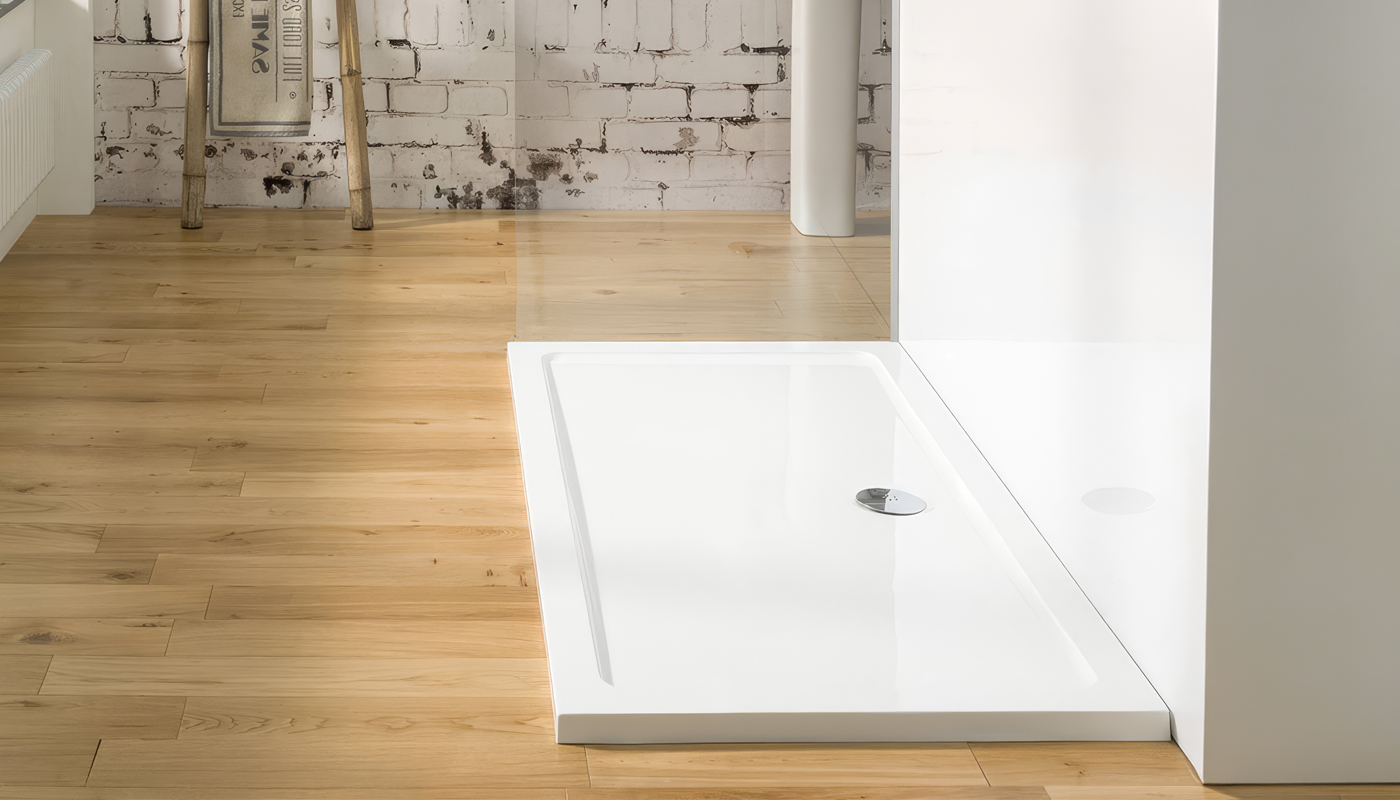
A clogged shower drain is one of the most annoying bathroom problems that almost all homeowners will experience. At first, the water might just be draining a little slower than usual, but over time, it can start pooling around your feet, take much longer to clear, or even cause unpleasant smells from the drain.
Shower drains block so often because they handle more than just water. Every day, hair, soap residue, shampoo and other bathroom debris pass through the shower drain, and it does not take much for that buildup to start causing problems. So, the shower waste itself is just as important as the tray and enclosure. In our range, round shower wastes are a popular choice for standard shower trays, while channel wastes are often chosen for wet-room-style showers.
If your shower is draining slowly or blocking more often than it should, there is usually a build-up somewhere in the waste or pipework. Here are five of the most common causes to look for.
Why Shower Drains Clog so Often
Bathrooms create the perfect conditions for a gradual build-up. Unlike kitchen sinks, where blockages are often caused by grease or food waste, shower drains usually clog because small bits of debris build up gradually. Hair catches first, then soap scum sticks to it, then more residue collects on top. In some homes, limescale also makes the problem worse.
This is why blocked shower drains are so common. It’s rarely caused by one major problem. More often, it is a gradual build-up that has been forming for weeks or months.
1. Hair Build-Up
Hair is usually the main culprit behind blocked drains, and a surprising amount can collect around the shower waste over time. Once it starts catching around the drain opening or inside the waste pipe, it forms a net that traps everything else passing through.
This is one of the most common reasons a shower starts draining slowly rather than stopping suddenly. You may notice the water still goes down, but much more slowly than before, often because hair has started to collect below the surface. We highly recommend keeping an eye on the waste cover and clearing visible hair regularly rather than waiting for a full blockage.
2. Product Residue
Soap, shower gel, shampoo, conditioner and other toiletries do not always rinse cleanly through pipework. Over time, they can leave behind a sticky residue that clings to the inside of the drain. Once that starts to build up, hair and dirt have something to catch on to, which can increase the likelihood of blockages.
This is one of the reasons shower drains can clog more quickly in busy family bathrooms or en-suites used multiple times a day. Ultimately, the more often the shower is used, the more product passes through the waste. If the drain isn’t cleaned regularly, the residue can build up faster than many homeowners expect.
3. Hard Water and Limescale
If you live in a hard water area, there may be another layer to the problem. As water passes through the shower waste, it can leave mineral deposits behind. Over time, those deposits build up inside the drain, narrowing the passage and making it even easier for hair, soap residue and other debris to catch and collect.
While limescale doesn’t always cause the blockage on its own, it can make the build-up from everyday shower use much worse. This is why some drains seem to block again not long after being cleaned. If your shower keeps draining slowly and you know you have hard water, limescale could be contributing to the problem behind the scenes.
4. Dirt, Skin Cells and Everyday Bathroom Debris
Not every blockage is caused by hair alone. Showers also wash away dead skin, shaving residue, dust and general dirt from the body and floor of the enclosure. These smaller particles might not seem like much individually, but once they mix with hair and soap residue, they contribute to the clog.
This is especially common in showers that are used by multiple people every day or when the tray isn’t rinsed properly after use. It’s also one of the reasons a drain can smell unpleasant before it fully blocks. The debris sitting in the waste doesn’t just slow drainage; it can start to break down and cause odours.
5. Poor Shower Waste Maintenance
The shower waste itself plays a bigger role than many people realise. Sometimes the issue isn’t a single blockage, but the fact that the shower waste hasn't been cleaned often enough. Even a well-designed waste will struggle if hair, residue and general debris are left to build up over time.
This is easy to overlook because the waste isn’t the most visible part of the shower. Once it is fitted, many homeowners understandably focus more on the shower tray, enclosure and brassware. Yet regular cleaning is essential to ensure the waste continues to function properly. In many cases, a blocked shower is less about a faulty product and more about a gradual build-up that has been left sitting in the waste for too long.
Simple Ways to Help Prevent a Blocked Shower Drain
Thankfully, most shower drain problems can be prevented or reduced with a bit of regular maintenance. Bathroom cleaning doesn’t need to be complicated, but it does need to be consistent. A few simple steps make the biggest difference:
-
Remove visible hair from the waste cover regularly.
-
Rinse the drain through with hot water to help loosen light residue.
-
Clean the shower waste regularly, rather than only when the drain slows down.
-
Use a hair catcher or strainer if multiple people use the shower.
-
Keep an eye on the limescale if you live in a hard water area.
Taking the time to clear away visible debris every time you shower is usually much easier than dealing with a full blockage later on. It’s also worth ensuring the shower waste is properly suited to the tray and how the shower is used day to day to reduce the likelihood of issues.
When to Call a Professional
Some blockages are easy enough to deal with yourself, but others need some professional help. Here are some signs the problem has gone beyond a simple surface-level clog:
-
The shower keeps blocking again after you clear it.
-
The water has been draining very slowly for a long time.
-
There is a persistent bad smell coming from the waste.
-
More than one drain in the home seems to be backing up.
-
You suspect the blockage is deeper in the pipework.
It can be easy to ignore clogged shower drains in the hope that the problem will go away on its own, but when wastewater can't drain, it can back up from the toilet or sink, flooding your home. If DIY fixes are no longer working or the same shower drain keeps clogging, the issue may be further down the system rather than just around the waste opening, and an expert can restore the flow of water.
Keep Your Shower Working Properly with Bathroom Supastore
Clogged shower drains are incredibly common, but they’re often preventable. In most bathrooms, the main causes are hair, product residue, limescale, everyday debris, and a waste pipe that’s not being cleaned often enough. The earlier you deal with these smaller issues, the less likely they are to turn into a full blockage.
At Bathroom Supastore, we stock a wide choice of shower wastes to suit different tray types, layouts and bathroom styles, from practical round options to sleek channel drains for wet room designs. If you’re upgrading your whole shower or simply replacing a waste that is no longer doing the job properly, take a look at our website today.
For some guidance on the right product for your bathroom, feel free to contact our team. We can help you choose a setup that looks right and works properly day after day.